





Why Lucky Hills Casino Download Fits Fast Play
Phone play has changed what people notice first. Not the logo. Not the banner. The route. Adults in Canada open a casino on a handset for a reason: log in, top up, find one game, check the wallet, leave. That is the real test. A mobile setup that respects those steps feels useful from the first minute, while a cluttered one feels slow before the session even starts.
Lucky Hills Casino needs to work inside that reality. Someone opens the page during a short break, sees the balance, jumps to the lobby, then wants the cashier one tap later. That flow should feel natural, not hidden behind layers of decoration. The cleaner the path, the more confident the session becomes. Small screens are strict. They expose weak structure immediately.
There is another side to this. Mobile gambling also makes adults move faster than they planned. A short visit can stretch. One deposit can turn into two. That is why the phone version has to do more than look neat. It has to support control, readable amounts, fast exits, and account tools that stay visible even when the player is in a hurry.
Using Lucky Hills Casino Android On The Go
Android users usually care about flexibility first. They want the platform to open cleanly, adapt to different screen sizes, and keep the key areas readable without constant zooming. You open the account on the train, then reopen it at home, and the structure should still feel familiar. Search, wallet, categories, and help need to stay where instinct expects them.
The stronger mobile setups do one thing especially well - they remove hesitation. The person taps into the lobby, sees recent activity, checks a payment method, and moves on. No guessing. No hunting through menus. On a phone, that kind of consistency matters more than flashy extras.
Getting Started Without Wasting Time
The first session sets the tone for everything that follows. Some adults rush through registration because the forms look short and the lobby feels close. That is understandable. It is also where future frustration often begins. A cleaner habit is to treat the first login as a setup session, not as the main event. Fill out the profile carefully. Check the email. Look at the wallet labels. Open the responsible-play tools once, even before the first deposit.
That extra minute pays off later. A player who already knows where limits live, where history sits, and where support starts will handle the account more calmly. Someone who skipped those steps usually has to learn them while annoyed - often during a pending transaction or a locked session. On mobile, stress rises faster because the screen gives less room for trial and error.
Moving From Sign-Up To First Deposit
A common pattern is simple. You create the account, confirm the details, glance at the cashier, then decide whether the platform feels clear enough for a first payment. That moment matters. A readable amount field, a familiar payment label, and a visible balance area make the next step feel grounded. Vague wording does the opposite. It pushes doubt into what should be a routine action.
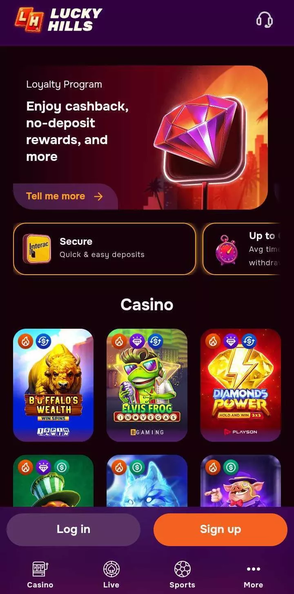
Lobby Flow, Search, And Session Rhythm
Once the account is open, the real mobile quality shows up in navigation. A strong lobby does not try to do everything at once. It gives the player a clear next move. Recent games. Categories. Search. Wallet. Promotions. Support. That is enough. Too many menus turn the session into wandering, and wandering on a phone rarely feels relaxing.
Search deserves more attention than it usually gets. Desktop users may browse because the larger screen invites it. Phone users tend to arrive with a narrower plan. They want one category, one title type, or one exact game they already know. A good search bar cuts through noise and helps the player act on that plan without spending two minutes sliding through banners.
The same logic applies to category design. A smaller screen works best with separation, not overload. Live tables should feel distinct from reels. Wallet information should not bleed into bonuses. Support should not hide in a footer that only appears after endless scrolling. You open the menu during a bus ride, and the next step should be obvious even before the ride ends.
Session rhythm also matters. Some people play in ten-minute bursts. Others stay longer but still move between only a few areas. The best mobile interfaces respect that rhythm. They let the player return to the lobby quickly, reopen recent activity without hunting, and leave cleanly when the session is over. That sounds basic. It is not. Many platforms still get it wrong.
Lucky Hills Casino Download And Everyday Access

The idea of a dedicated phone route sounds simple, though everyday use is where the value really appears. The player wants to know one thing: does mobile access feel quicker than opening the full site in a normal browser tab, or does it only sound more convenient in theory? In practice, speed, stability, and menu logic answer that question more than any headline ever will.
Imagine a player checking the account late in the evening. They do not want a dramatic homepage. They want the balance, the cashier, and the last transaction to appear without delay. A download option only feels worthwhile when it reduces friction like that. When it merely copies the same confusion into a different format, adults notice right away.
There is also a habit element. Once a person starts returning through a faster phone route, the whole account becomes part of the daily routine. That can be helpful because everything feels familiar. It can also make boundaries more important, because convenience lowers the pause between intention and action. Good mobile design supports both ease and restraint at the same time.
Payments, Timing, And What The Cashier Really Needs
The cashier is where trust either settles or starts slipping. Deposits are usually the smoother side of the experience. The platform is built to bring funds in quickly, so the path feels direct, almost effortless. Payouts are different. They ask for patience, clean account details, and a clear reading of the history page. That gap surprises a lot of players, especially after a simple first deposit.
The best approach is practical rather than emotional. Treat the incoming and outgoing routes as two separate systems. One is built for speed. The other is built for control and checking. That does not mean something is wrong with the account. It means adult players should expect more steps once money starts moving back out. Mobile users handle this better when the history page uses plain language and the wallet section stays easy to read.
A short real-world example says enough. You top up in under a minute, play for a while, then request a cash-out the next day and stare at the status page much longer than expected. That difference can feel irritating, yet it is also common. Clarity helps more than promises here. Labels, dates, and visible payment routes reduce stress because the player can see what stage the account seems to be in.
Account area | What to check first | Why it matters on mobile |
|---|---|---|
Payment method list | The exact option selected | It prevents confusion before confirmation |
Balance section | Available and pending amounts | It keeps the wallet easier to read |
History page | Date, amount, and request status | It reduces guesswork during a wait |
Profile details | Email and personal information | It supports smoother account checks |
Support access | Chat or message entry point | It saves time when something looks unclear |
Checking The Right Details Before Cashing Out
Players often focus on the method and ignore the account around it. That is a mistake. Before any cash-out request, it helps to look at the profile, the wallet wording, and the history section together. When those pieces feel consistent, the request feels calmer too. You open the cashier before breakfast, confirm the details, and avoid the kind of preventable mismatch that usually becomes annoying later.
Two things matter more than most people expect: readable transaction labels and clean account information. A phone screen gives less context, so vague wording becomes a bigger problem. The better the account page explains itself, the less the player has to interpret on the fly.
Why Pending Requests Feel Longer On A Phone
Waiting feels longer on a handset because the player checks more often. That is the truth of it. A desktop account might get opened twice in a day. A phone account can be checked six times without much thought. Each glance makes the gap feel bigger. This is why mobile history pages should be designed for reassurance, not mystery. Adults do better with plain progress signals than with decorative language.
Security, Adult-Only Access, And Calmer Limits
A mobile casino should never be built only for momentum. It should also make slowing down easy. Adult-only access is one part of that. The other part is what happens after the account opens. Deposit caps, timeouts, session limits, and self-exclusion tools should be visible enough to use in ordinary moments, not just emergencies.
This matters more on a phone than on a desktop. The device is always nearby. On the sofa. In a pocket. Next to the bed. That constant proximity changes behaviour. A session can begin almost by accident. So the platform needs to support deliberate choices just as much as fast entry. Control tools should not feel buried or awkward.
Some adults make the mistake of treating responsible-play settings as a last resort. In reality, they work better as planning tools. You set a cap while calm. You decide session length before the mood shifts. You take a short break before frustration turns into chasing. Those habits keep the account useful instead of stressful.
Picture a late-night visit after a long workday. The player is tired, the screen is close, and the money in the wallet feels abstract for a moment. That is exactly when simple limits help. Not because something dramatic is happening, but because the phone makes repeated action too easy. Good design acknowledges that quietly.
Security habits matter in smaller ways too. Use a strong password. Log out on shared devices. Keep payment details accurate. Check whether the session has really closed before handing the phone to someone else. None of this is exciting. All of it shapes trust. Adults in Canada do not need lectures here. They need a mobile account that supports careful routines without making them feel heavy.

Support, Problem-Solving, And Leaving Cleanly
Support should sit close to the player, not at the bottom of a maze. Most account problems begin with a small question: why is this label different, where did that request go, why does the balance look delayed, which step comes next? On mobile, the faster that question reaches help, the less it grows. A visible support route is not a bonus feature. It is part of basic account hygiene.
The same goes for ending a session. A good mobile setup lets the player leave cleanly. Log out. Check the history. Confirm the balance. Close the session without uncertainty. You finish a short session while waiting for dinner, and the account should feel settled the second you exit. That calm ending matters. It makes the next visit clearer and helps keep the whole routine under control.